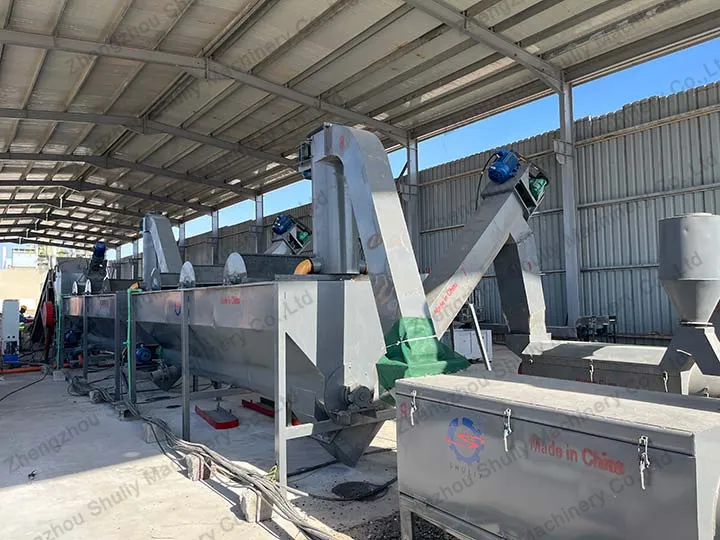
Beating the Freeze: How Winter Temperatures Affect Your PET Washing Plant
Running a plastic recycling plant in the middle of winter brings a hidden challenge: freezing temperatures. When the weather drops below freezing, washing dirty plastic isn’t just harder for your workers; it becomes a serious threat to your business.
If you ignore how the winter cold affects your machinery, you will end up with dirty, sticky plastic that buyers will reject. To guarantee high PET flake quality all year round, you need to understand the science of hot wash PET recycling and how to protect your process from the winter chill.
The Greasy Dish Rule: Why Cold Water Fails
Think about washing a very greasy frying pan. If you use freezing cold water, the grease becomes hard and sticks to the pan even more. You must use hot water to melt the grease.
Cleaning PET bottles works the exact same way. Most used plastic bottles are covered in cooking oil, sticky label glue, or sugary drink leftovers. In winter, this dirt becomes rock hard. To clean the flakes properly, the washing water temperature inside your tank must stay between 85°C and 95°C. At this temperature, the chemicals can do their job and melt the stubborn glue away.
The Winter Trap: The Heat Stealing Effect
The biggest mistake factory managers make in winter is assuming their standard heater is enough. Here is what actually happens:
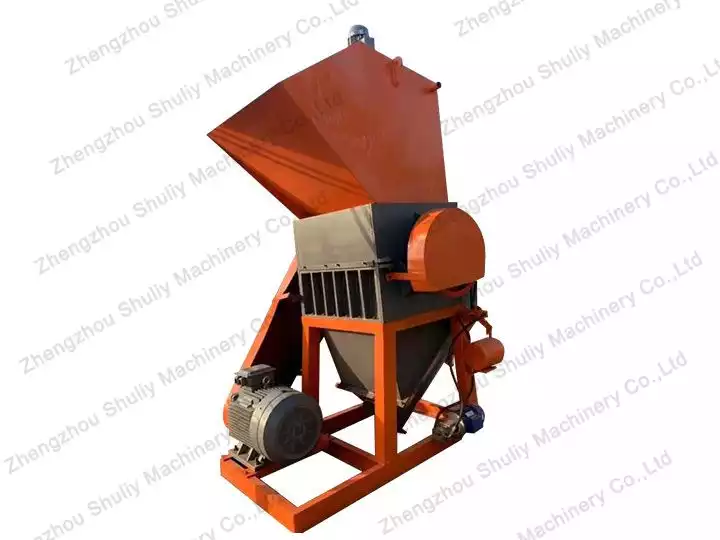
After the bottles pass through the PET bottle crusher, they become tiny plastic flakes. In winter, these flakes are ice-cold. When you drop hundreds of kilograms of freezing flakes into a hot water tank, the plastic instantly “steals” the heat from the water. The water temperature drops extremely fast, maybe from 90°C down to 60°C in minutes.
Your heater will try to warm the water back up, but the cold plastic keeps coming in. The heater works at 100% power, your electricity bill goes up, but the water never gets hot enough. The result? The glue doesn’t melt, and your flakes stay dirty.
The Shuliy Group Winter Solution: Double Up and Insulate
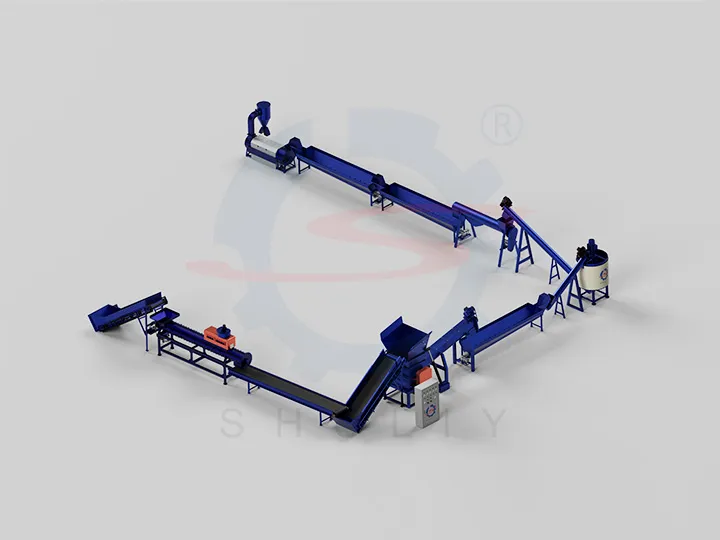
You cannot change the winter weather, but you can change your equipment layout. For facilities operating in cold regions, Shuliy Group engineers a specialized hot wash PET recycling setup to defeat the cold:
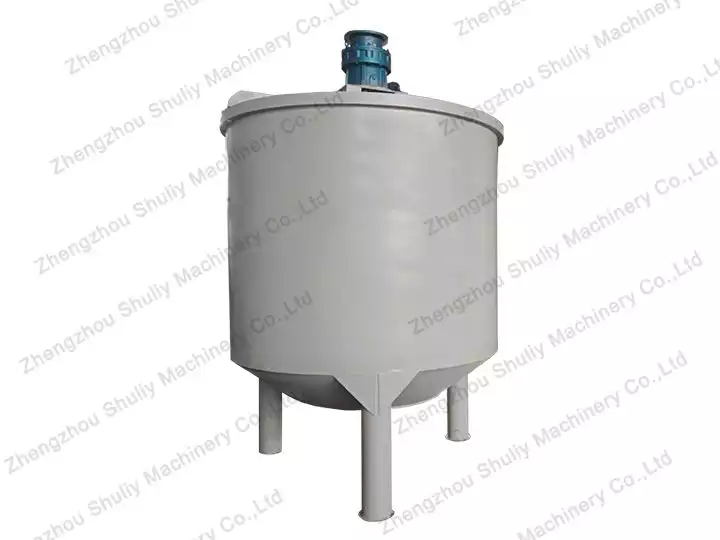
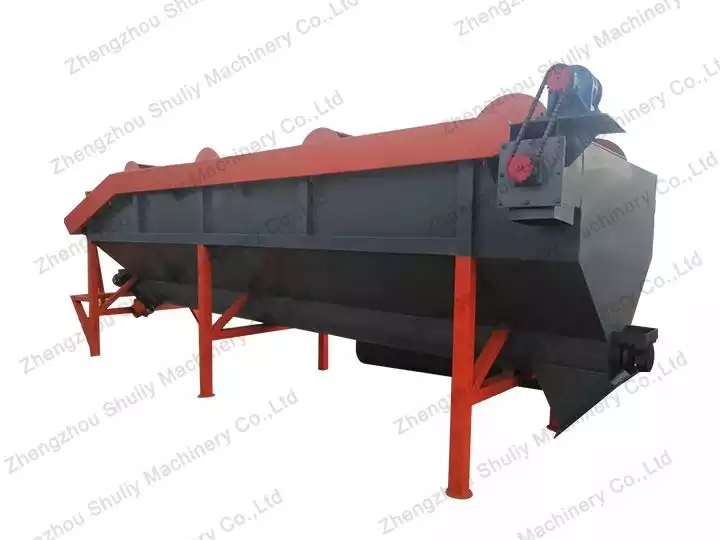
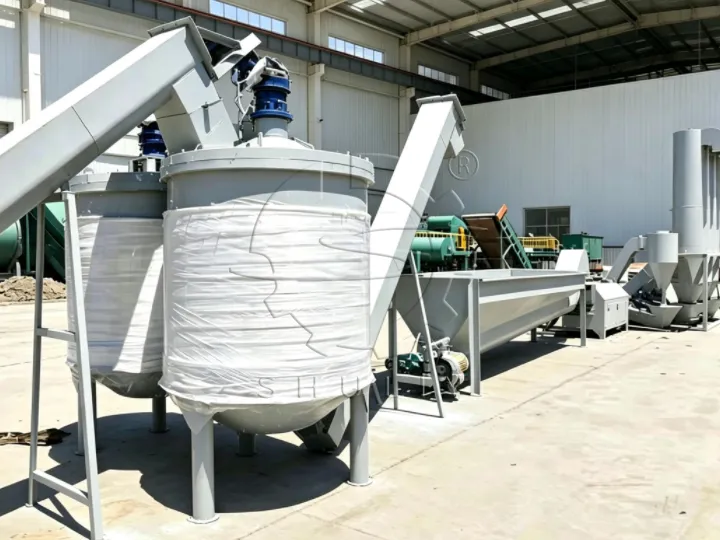
- The Dual-Tank System: Instead of relying on one tank, we connect two hot washing tanks in a row. The first tank acts as a “buffer.” It takes the shock of the ice-cold flakes and starts warming them up. By the time the flakes flow into the second tank, they are already warm. This allows the second tank to easily hold the perfect 90°C temperature for a deep clean.
- Heavy-Duty Insulation: A thin metal tank loses heat to the cold winter air very quickly. Shuliy Group builds our hot washers with thick carbon steel (5mm outer walls and an extra-thick 10mm bottom plate). We also advise our winter clients to add external thermal insulation layers to lock the heat inside.
- Steam Heating: While electric heating is common, it struggles to keep up in extreme cold. For winter operations, we strongly recommend using a steam boiler system. Steam heats water much faster and is often cheaper to run than electricity for large factories.
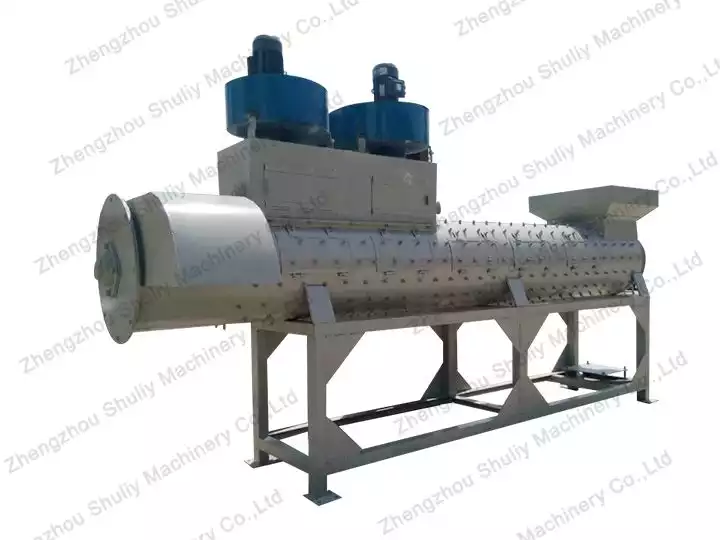
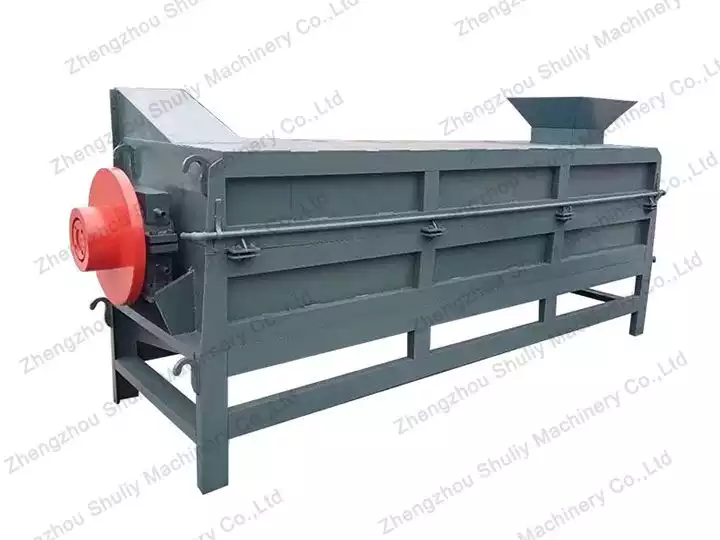
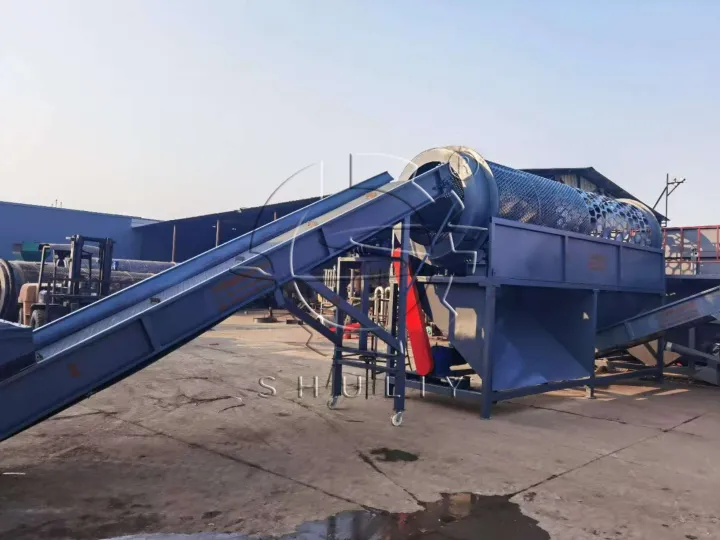
After the flakes exit the stable hot water, they immediately enter a high-speed friction washer. Because the glue was properly softened in the hot tanks, this friction machine can easily scrub the dirt away.
Ultimately, successful hot wash PET recycling in winter is about fighting heat loss. By using a two-tank system and holding the right temperature, you ensure your plastic flakes are clean, valuable, and ready to sell, no matter how cold it is outside.