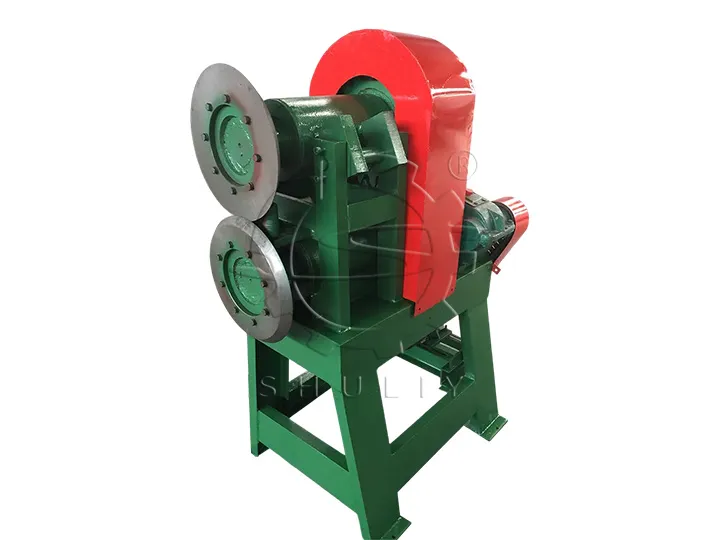
Industrial Rubber Chunk Cutter
Why Uniform Rubber Blocks Matter In a complete tire recycling plant, feeding long rubber strips directly into fine …
Every year, billions of scrap tires create a daunting “black pollution” challenge, burdening our planet. Yet, within this challenge lies a lucrative “black gold” opportunity.
At Shuliy, we are expert tire recycling machine manufacturers specializing in transforming this environmental problem into your profitable venture.
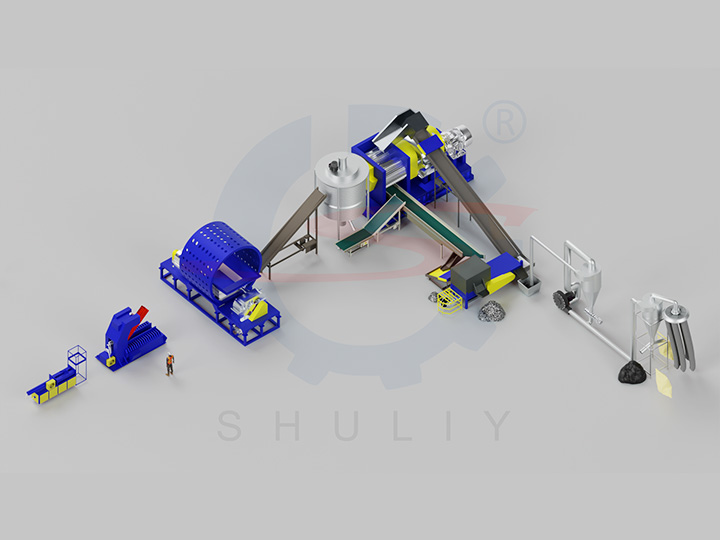
Our advanced fully automatic tire recycling line efficiently and reliably converts waste tires into high-value commodities: fine rubber powder, rubber granules, and high-purity steel wire, ensuring complete resource utilization. Most importantly, our exclusive energy-saving technology can reduce your operational electricity consumption by up to 33%, fundamentally enhancing your profitability and competitive edge.
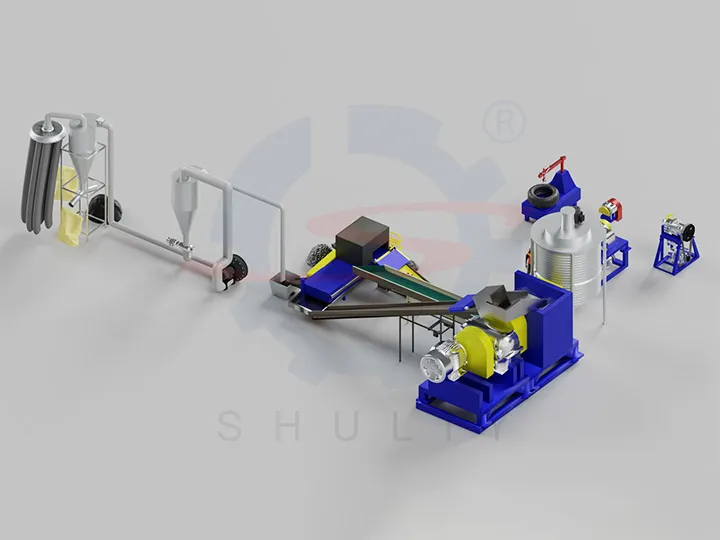
We have streamlined the complex tire recycling process into a seamless, highly automated workflow. With minimal labor, waste tires are efficiently transformed into market-ready commodities.
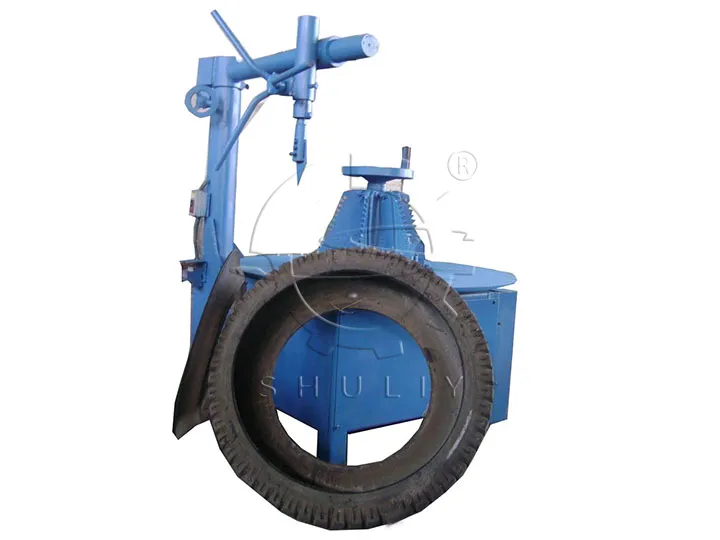
Waste tyres are fed into the pre-processing unit. Depending on your needs, a De-beader (Wire Drawing Machine) extracts the thick bead wire, or a Tire Ring Cutter separates the sidewalls, followed by a Steel Wire Separator. This step yields high-value, clean steel bead rings.
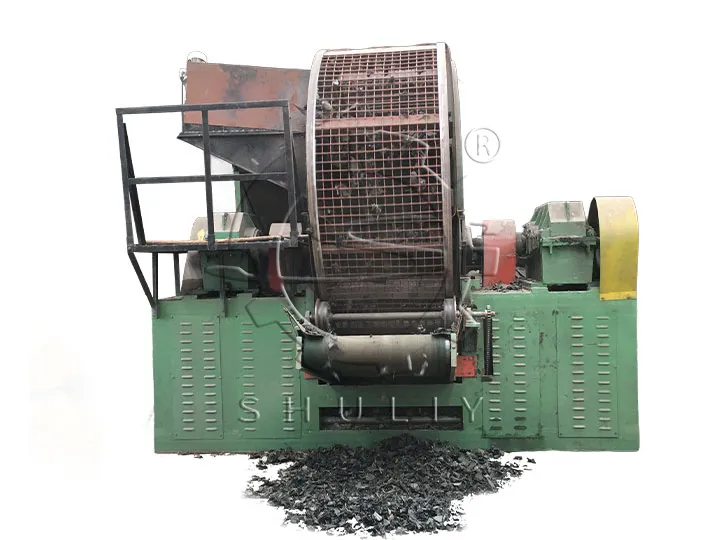
The pre-processed tyres are conveyed to the Tire Shredder. Its powerful dual-shaft blade system easily tears whole tires into uniform 50-100mm rubber blocks, preparing them for the fine grinding stage.
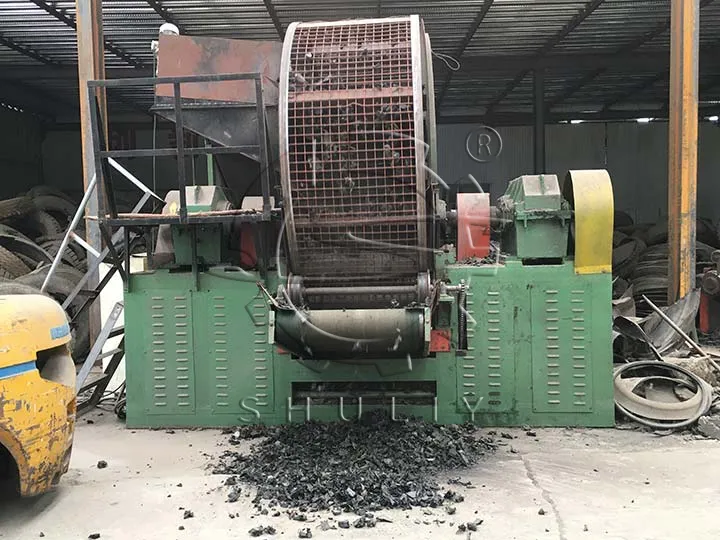
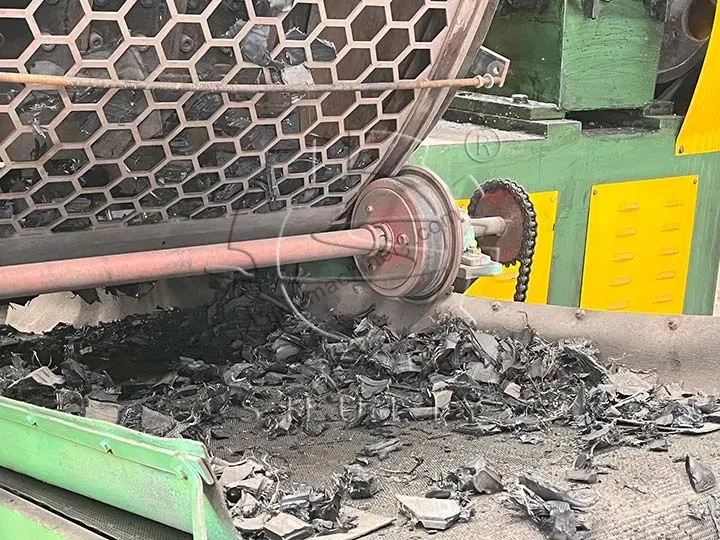
The rubber blocks enter the core part of the line: the Rubber Mill (also called scrap tire crushing machine). Through the intense pressure and shearing action of the alloy rollers, the rubber blocks are rapidly ground into fine 5-40 mesh rubber powder. The final mesh size is adjustable to meet your market demands.
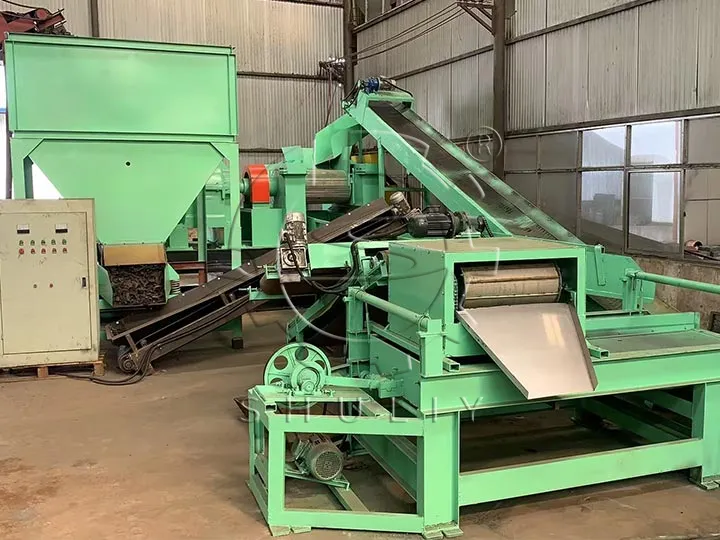
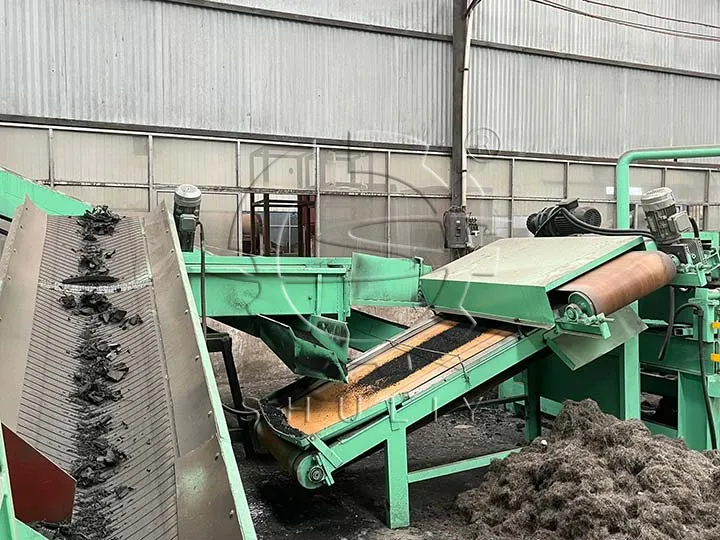
Throughout the tire rubber crushing process, integrated Magnetic Separators and Fiber (Nylon) Air Classifiers work to purify the material. The magnetic systems extract the fine steel wire, while the air classifiers remove nylon and other fibrous materials. The result is three clean, sellable end products: high-grade rubber powder, fine steel wire, and nylon fiber.
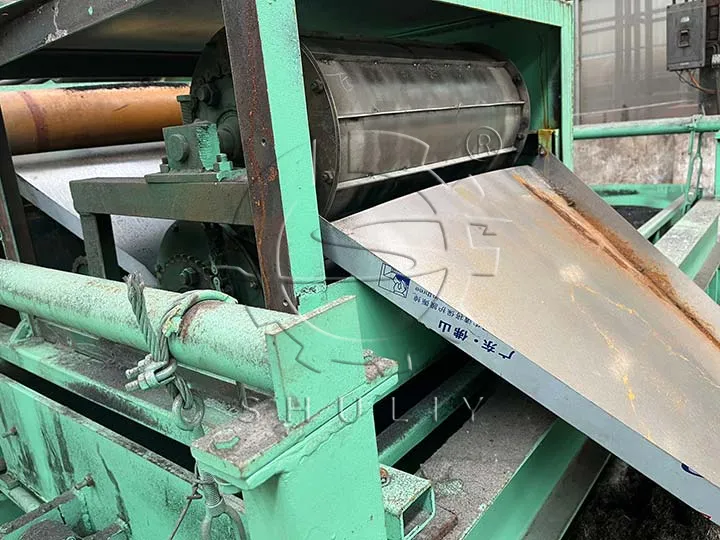
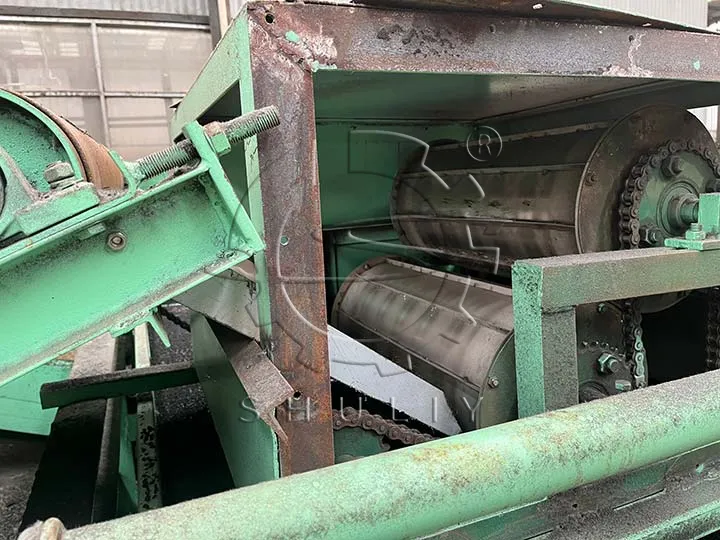
Superior performance is born from a relentless focus on detail. We will examine the two most critical equipment in the rubber granules production line.
The Rubber Mill (rubber crushing machine) dictates the final product quality and overall productivity. Our design surpasses traditional equipment in every key area:
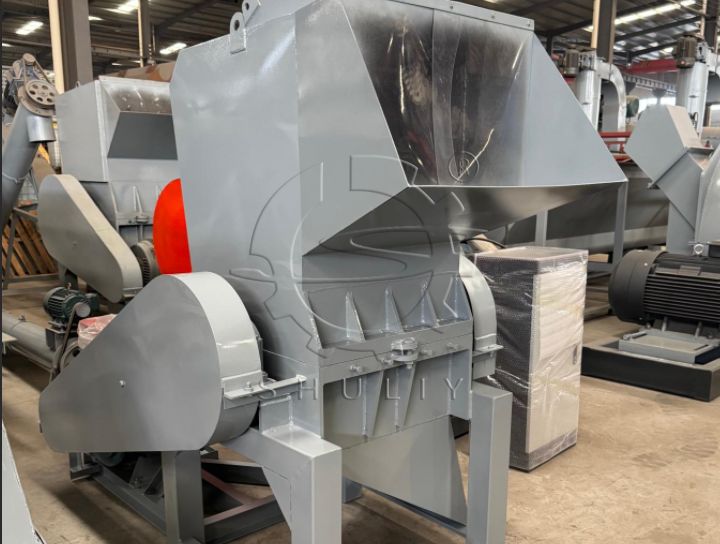
The tyre shredder is another key machine to the entire fully automatic tire recycling line, and its performance is critical. Ours is built for power and endurance:
Investing in tire recycling means investing in a high-growth, sustainable industry. Our full automatic tire recycling line is your most reliable partner in this venture, engineered to deliver an excellent return on investment, low operational costs driven by core energy-saving technology, and long-term, reliable production backed by robust design.
It’s Time to Turn “Black Pollution” into Your “Black Gold”. Contact Shuliy technical experts today for a free, customized proposal and a detailed ROI analysis!
You claim your equipment is 33% more energy-efficient. What specific technologies achieve this?
This efficiency advantage stems primarily from three core designs in our Rubber Mill:
What are the main wear parts in the rubber powder/granule production line, and what are their service lives and replacement costs?
The primary wear parts are the shredder blades and the rubber mill rollers.
How does the final rubber granlues’ mesh size specifically affect the production output?
This is a critical operational factor. The mesh size and hourly output have an inverse relationship: the finer the powder, the longer the grinding time, and the lower the hourly output. For example, our SL-560 model can produce 900-1000 kg/hr of 10-mesh coarse granules, but when producing fine 40-mesh powder, the output is 300-350 kg/hr. We will help you select the optimal model based on your primary product requirements.
Our primary feedstock is large OTR (Off-The-Road) tires. Can your fully automatic tire recycling line handle them, and what special configurations are required?
Yes, absolutely. As experienced tire recycling machine manufacturers, we have proven solutions for OTR tires. Compared to a standard line, an OTR line requires these key upgrades:
From signing the contract to full operation at our tire recycling facility, what is the typical lead time?
The total lead time includes manufacturing, shipping, and on-site work. 1) Manufacturing: A standard line typically takes 45-60 days to produce. 2) Shipping: This depends on your geographic location. 3) On-site Work: Once the equipment arrives, our engineers will be on-site for installation, commissioning, and training, which usually takes 1-2 weeks. Therefore, you can generally expect a total lead time of approximately 2-3 months from order confirmation to production start.
What is included in your quotation? Are your tire recycling facility installation and training costs covered?
Shuliy group’s goal is to provide a transparent, “turnkey” quotation. A standard proposal includes:
We’ve also seen cryogenic recycling methods. What are the pros and cons compared to your ambient temperature process?
That’s an excellent technical question. The key differences are:
Investment Cost: Our ambient process has a far lower initial investment as it does not require expensive liquid nitrogen storage and injection systems.
Operating Cost: This is the biggest difference. Our system consumes only electricity, whereas the cryogenic process requires a continuous and expensive supply of liquid nitrogen, making its operating costs extremely high.
Final Product: While cryogenic methods can produce very fine powder (80-200 mesh), the 5-40 mesh powder from our ambient rubber powder production line is perfectly suitable and far more cost-effective for the vast majority of applications (e.g., modified asphalt, rubber flooring, waterproof materials). In summary, our ambient physical method is the mainstream, most cost-effective and widely applicable technology on the market today.
Video
Why Uniform Rubber Blocks Matter In a complete tire recycling plant, feeding long rubber strips directly into fine …
The secondary phase of scrap rubber processing requires precision slicing to reduce large tire sections into manageable …
In a standardized scrap tire recycling plant, processing heavy-duty truck and bus tires requires specific initial …
Maximize scrap tire logistics with our 200-ton horizontal waste tire baler. Features 2000KN pressure, conveyor feeding, …
Designed for scrap tire recycling centers, pyrolysis plants, and any business aiming to convert tire waste into a …
Our semi-automatic tire recycling plant is designed to process waste tires of various sizes into high-quality rubber …
A Hong Kong-based technology and trading company recently placed an order for a complete HDPE PP pelletizing line from …
The Plastic Waste Challenge in Conakry Like many rapidly growing cities across West Africa, Conakry, the capital of …
Project item Soft PP PE Plastic Recycling Machine Item Details Company FASLAM PLAST SARL Location Morocco Contact …
Project Overview Client: Mr. Zia, Osaka Motors Ltd. (Based in Nagoya, Japan) Industry: Used Auto Parts Recycling & …
A Nigerian client needed to ship our hard plastic washing line with another supplier's machine. See how we provided a …