Comment résoudre le problème des points noirs sur les granulés de plastique ?
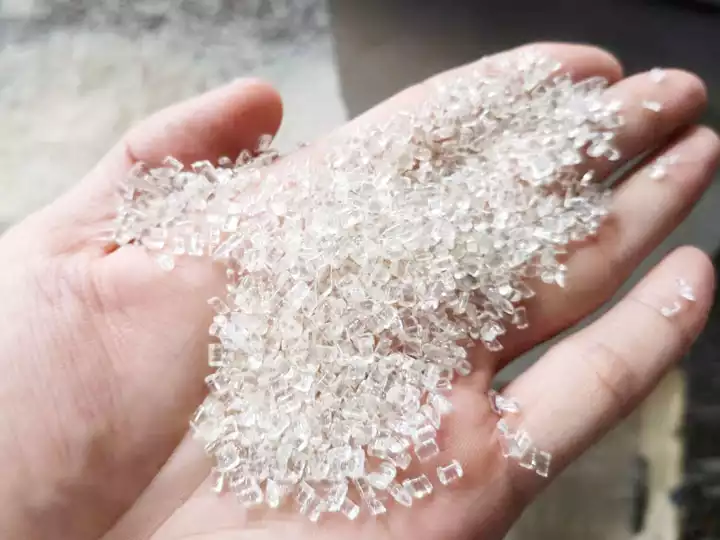
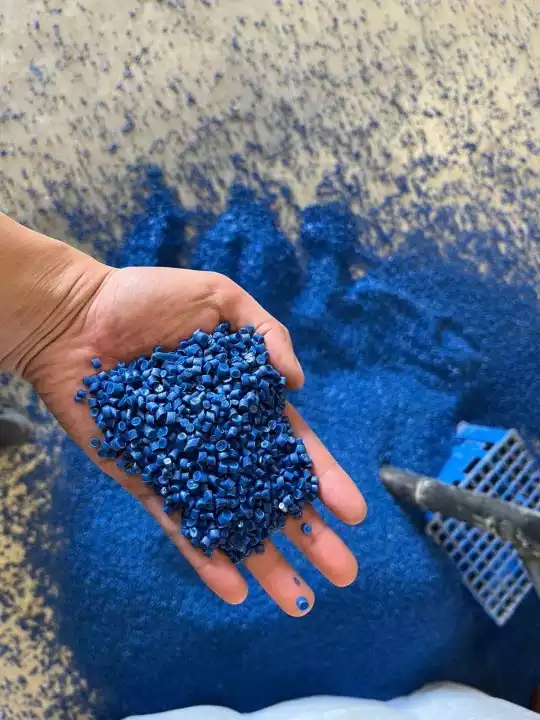
Lors du processus de granulation du plastique, il est relativement courant de rencontrer des taches noires sur les pellets. Est-ce le problème de machine à granulés de plastique, le problème des matières premières, ou d'autres facteurs qui conduisent à un tel phénomène ? En fait, le problème des points noirs dans le processus de granulation est un phénomène de défaillance courant, en particulier dans les granulés de couleur claire, plus évidents. Alors, comment pouvons-nous améliorer ce problème ?
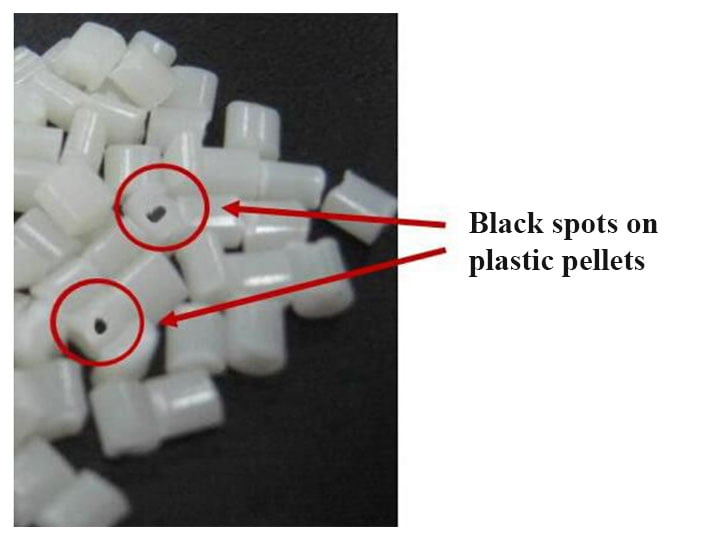
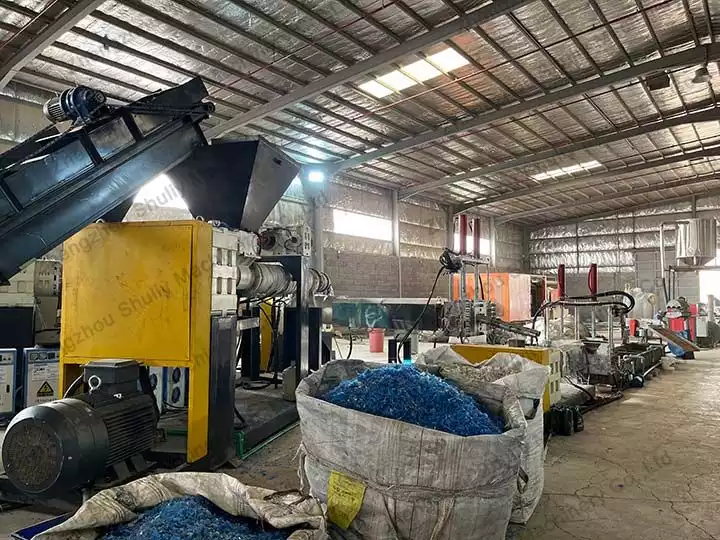
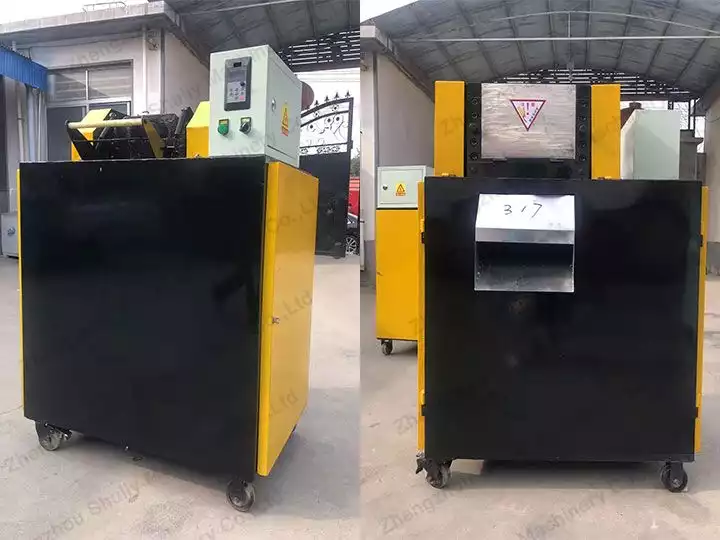
Ces points noirs sont la détérioration thermique résiduelle du plastique de la machine à granulés de plastique après le carbure. Afin de garantir la qualité des granulés de plastique, le personnel doit souvent nettoyer le carbure de la machine.
Use harder plastic or its return material and white mineral oil for cleaning, and the temperature should be appropriately increased by 10~15°C.
At this time, the plasticizing ability of the small extruder should be considered. For large and medium-sized extruders that can plasticize ultra-high molecular weight plastics, they can be cleaned with ultra-high molecular weight plastics or their return materials and white mineral oil.
Because the hardness of ultra-high molecular weight plastics is better, and when the temperature is high, the cleaning object will be softened, so that it becomes easy to fall off, which is beneficial to the carbides being carried out by the plastic melt.
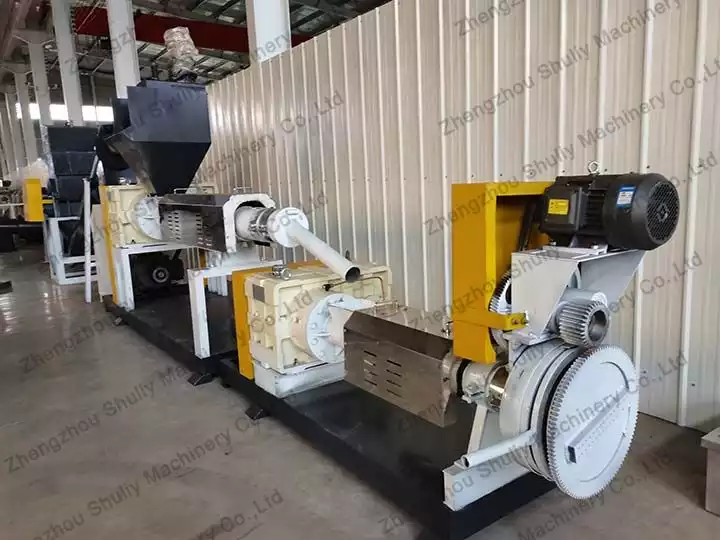
During the cleaning process, the speed of the plastic pellet machine can be repeatedly switched between low speed and high speed. If there is still a spare motor load, you can repeatedly stop and restart the extruder several times during the operation, which can improve the cleaning effect.
When the carbide in the plastic melt is obviously reduced, gradually adjust to the appropriate temperature, then the normal production.