تحليل عائد استثمار خط إعادة تدوير PET: دليل للمستثمرين
“What is my PET recycling ROI?” This is the first question every savvy investor asks. While there’s no single magic number, understanding the key variables allows you to accurately forecast your plastic recycling profitability.
[مخطط معلومات يوضح حساب العائد على الاستثمار: (مبيعات rPET – التكاليف التشغيلية – تكاليف البالات) / تكلفة المصنع]
عائد الاستثمار الخاص بك هو توازن بين أربعة عوامل حاسمة:
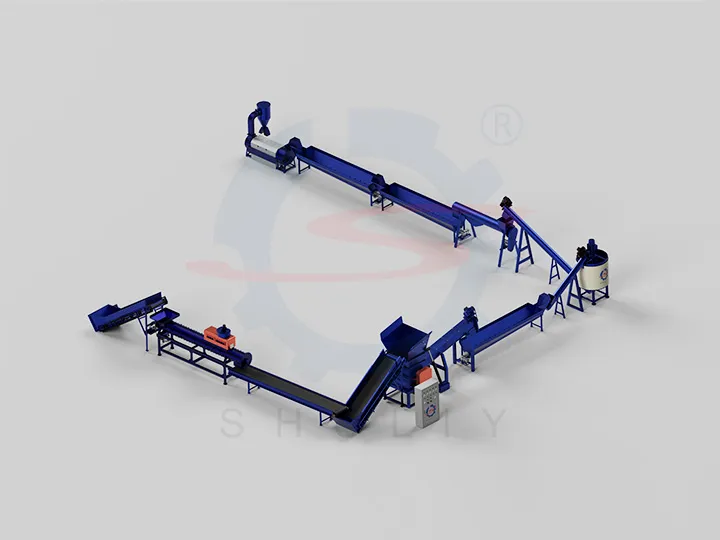
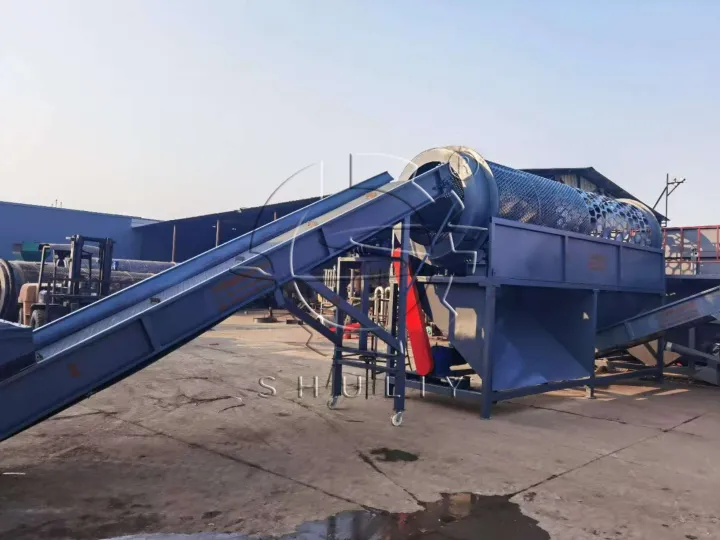
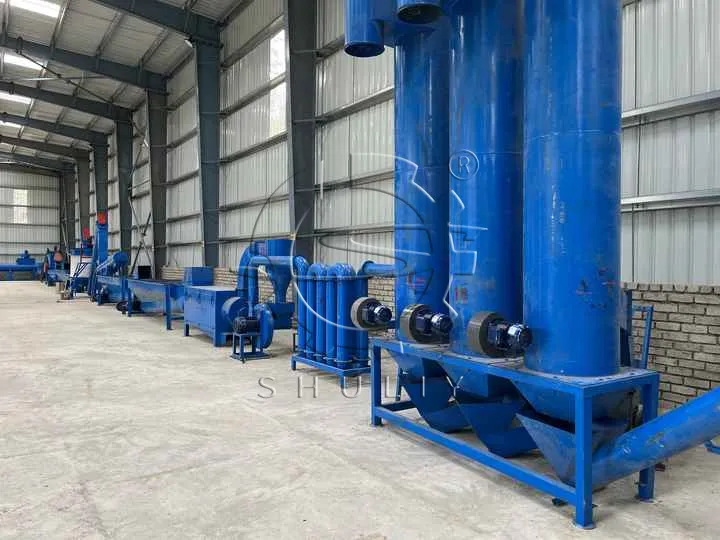
- الإنفاق الرأسمالي (CAPEX): هذا هو تكلفة مصنع إعادة تدوير PET. خط 500 كجم/ساعة أرخص من حيث التكلفة المبدئية، لكن خط 3000 كجم/ساعة خط إعادة تدوير زجاجات PET مع ميزات متقدمة مثل الغسيل الساخن، يوفر تكلفة أقل لكل طن وينتج رقائق ذات قيمة أعلى.
- الإنفاق التشغيلي (OPEX): هذه هي تكاليفك اليومية: الكهرباء، الماء، العمالة، المواد الكيميائية، وقطع الغيار. الكفاءة هي المفتاح للحفاظ على انخفاض OPEX.
- تكلفة المواد الخام: السعر الذي تدفعه لبالات PET بعد الاستهلاك. يختلف هذا بشكل كبير حسب المنطقة وجودة البالات.
- الإيرادات: البيع سعر rPET. هذا هو العامل الأكثر أهمية. الرقائق ذات الجودة العالية للغزل يمكن أن تطلب سعرًا أعلى بنسبة 30-50% من الرقائق المغسولة بالماء البارد الأساسية.
Hypothetical Example: A well-run 1000kg/h line in a market with stable bale prices and good demand for clean flakes can often achieve a full return on investment within 18-36 months.
Expert Advice: Don’t just focus on the initial plant cost. Investing in a quality line that produces premium flakes is the fastest path to a strong and stable PET recycling ROI.